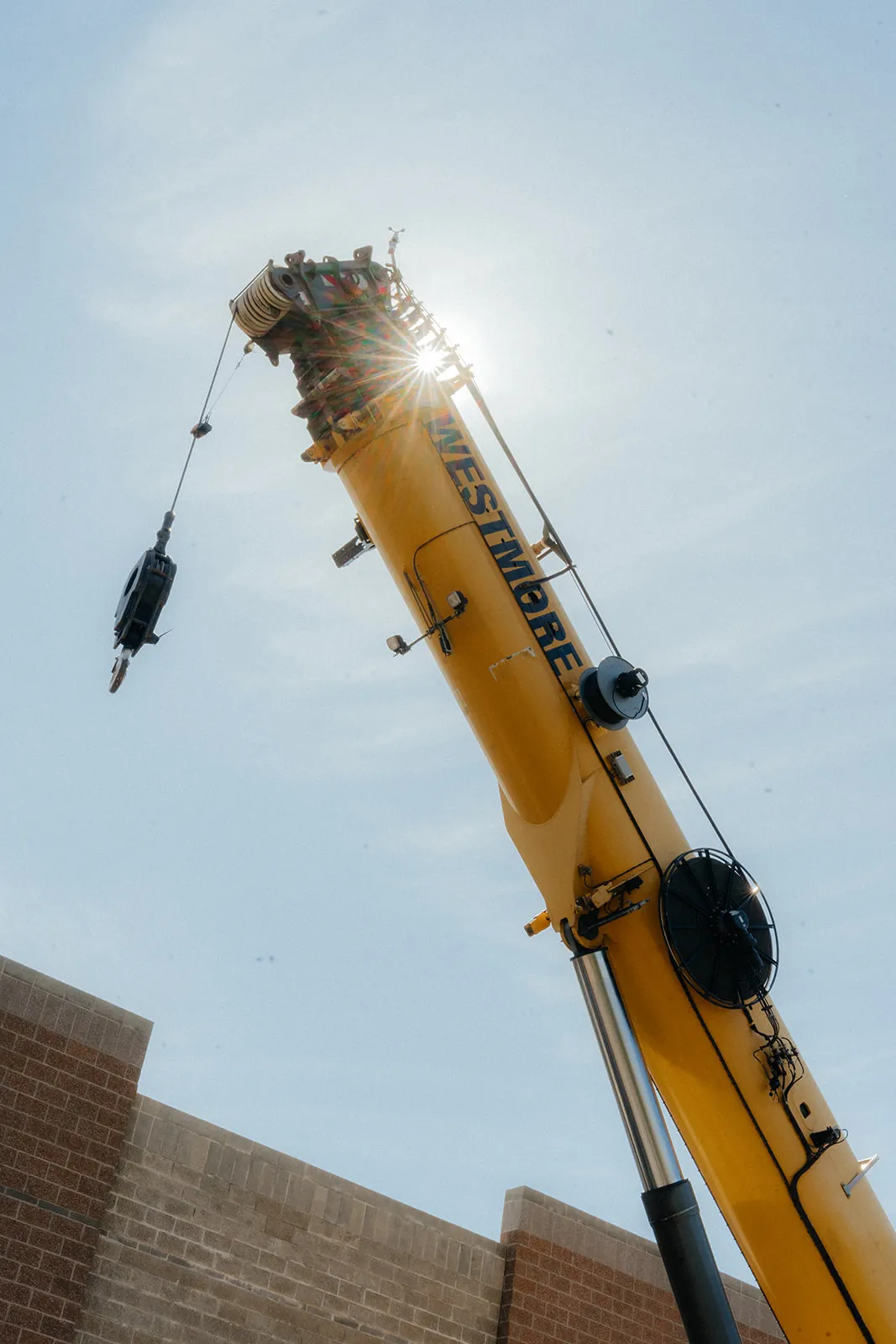
Your hot tub lifted over the house and set square on the pad in one pick, rigging included.
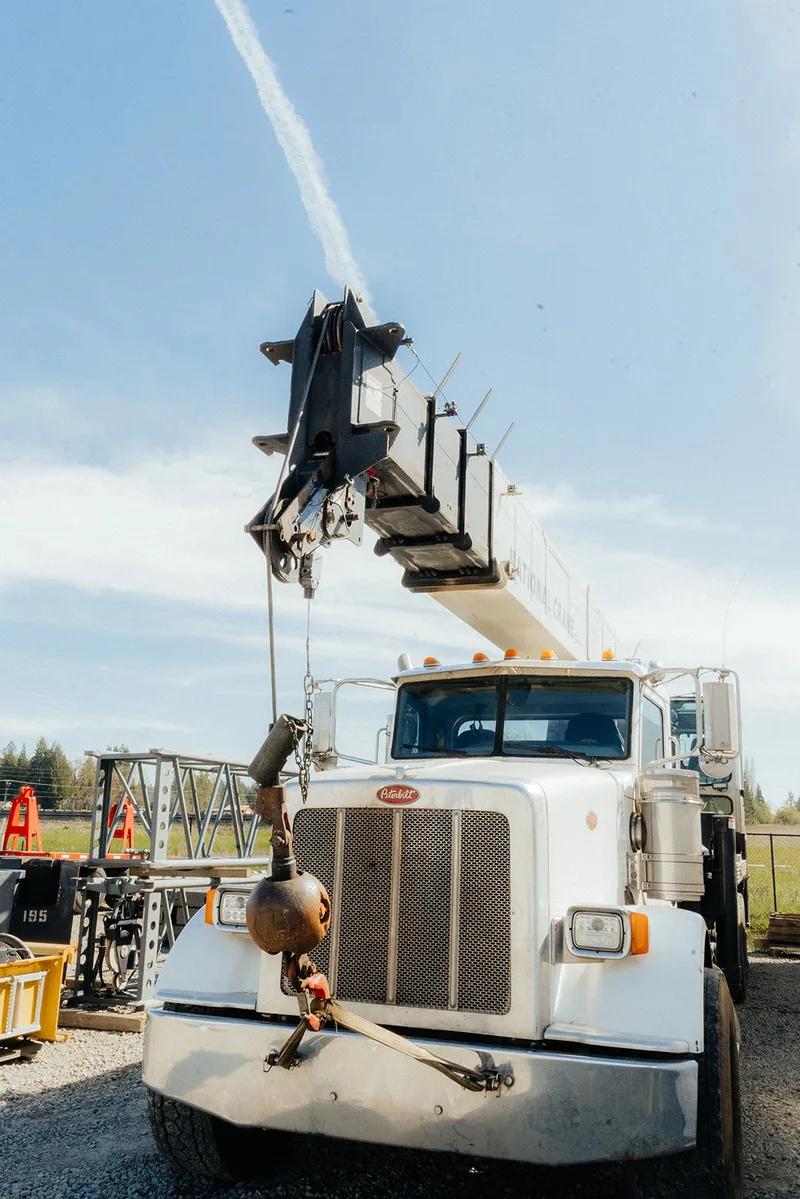
Yes. A crane lifts a hot tub or a swim spa over a house, a fence, or a garage and sets it down on the pad in one pick. What decides which crane shows up is the tub's weight, the height it has to clear, and how far back from the pad the crane has room to set up. Westmore's fleet starts with a 55-ton class truck crane built for that kind of residential street work.
Stephanie Bozanich's review describes a large swim spa craned into her backyard, and leif wirtanen's review describes saunas and deck beams lifted into place on separate jobs, so the same crew and process cover a tub, a spa, or a timber structure headed for the same kind of yard.
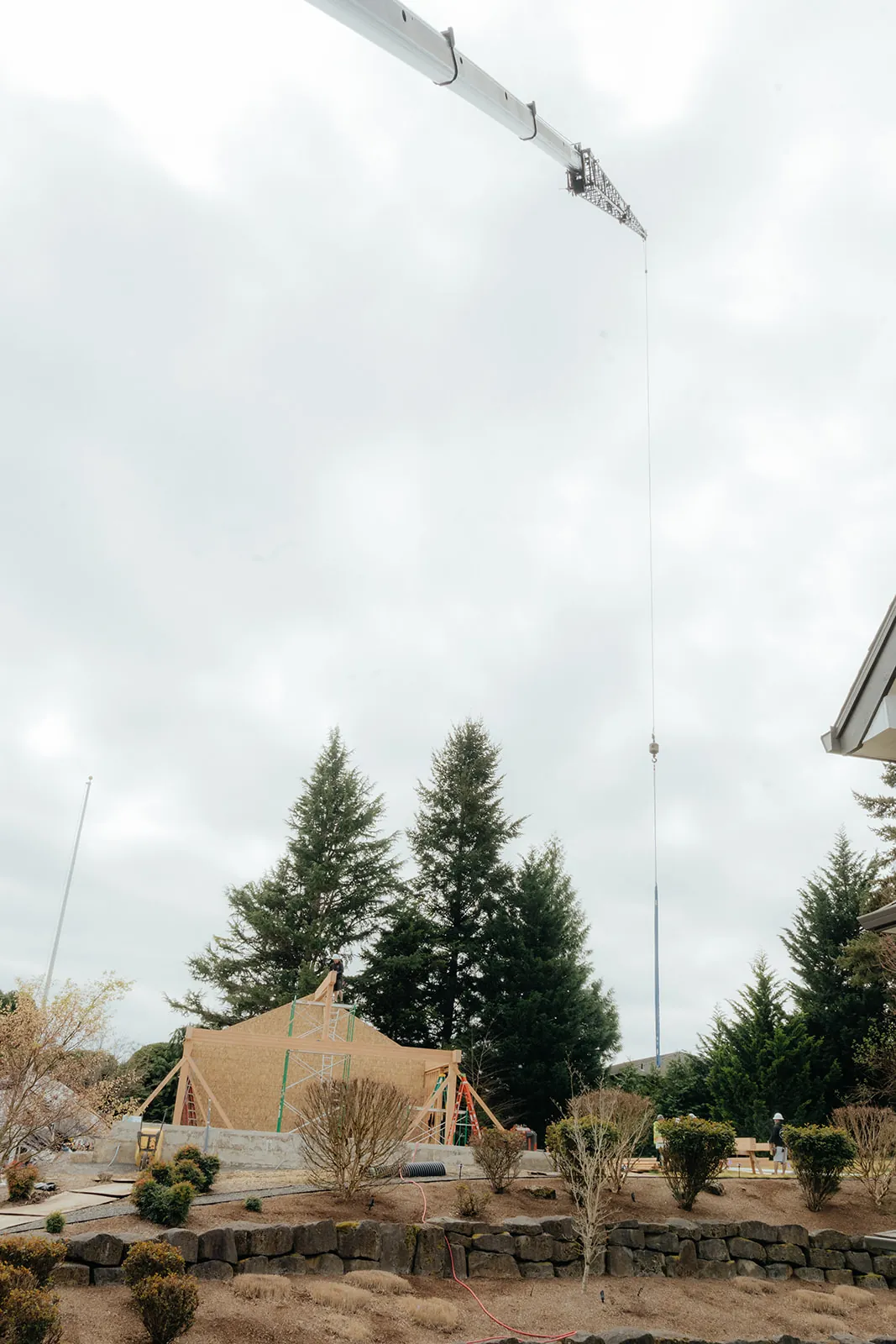
A residential lift site, the kind of yard a hot tub or spa gets set into.
Three loads make up most of this work, and each one changes what the crane and the rigging plan have to account for.
A hot tub sets down onto a finished pad in one pick, whether it arrives on a dealer's truck or has to come over a fence from the side yard.
Swim spas run heavier and longer than a standalone hot tub, so the crane and rigging plan starts from the spa's shipping weight, not its footprint.
Saunas, garden sheds, and small outbuildings get the same treatment as a spa: lifted over the obstacle in the way and set on their own pad or footing.
The same four stages cover a tub, a spa, or a sauna, from the first phone call to the crane packing up.
Send the tub or spa's weight and dimensions with a few photos of the yard, the gate or fence, and the path from the street. Westmore sizes the crane from those photos before quoting the job.
The crew matches a crane class to the load and the site, then books a lift day around the delivery date if a dealer is bringing the tub. Site access factors into scheduling before Westmore quotes the job.
The crane sets up in the driveway or street, rigs the tub or spa, and lifts it clear of the fence, garage, or house in one pick. An NCCCO certified operator runs the machine throughout.
The load comes down on the pad exactly where it was measured to go, the rigging comes off, and the crane packs up. The yard is clear again the same day.
A timber-frame structure going into place in a residential yard.
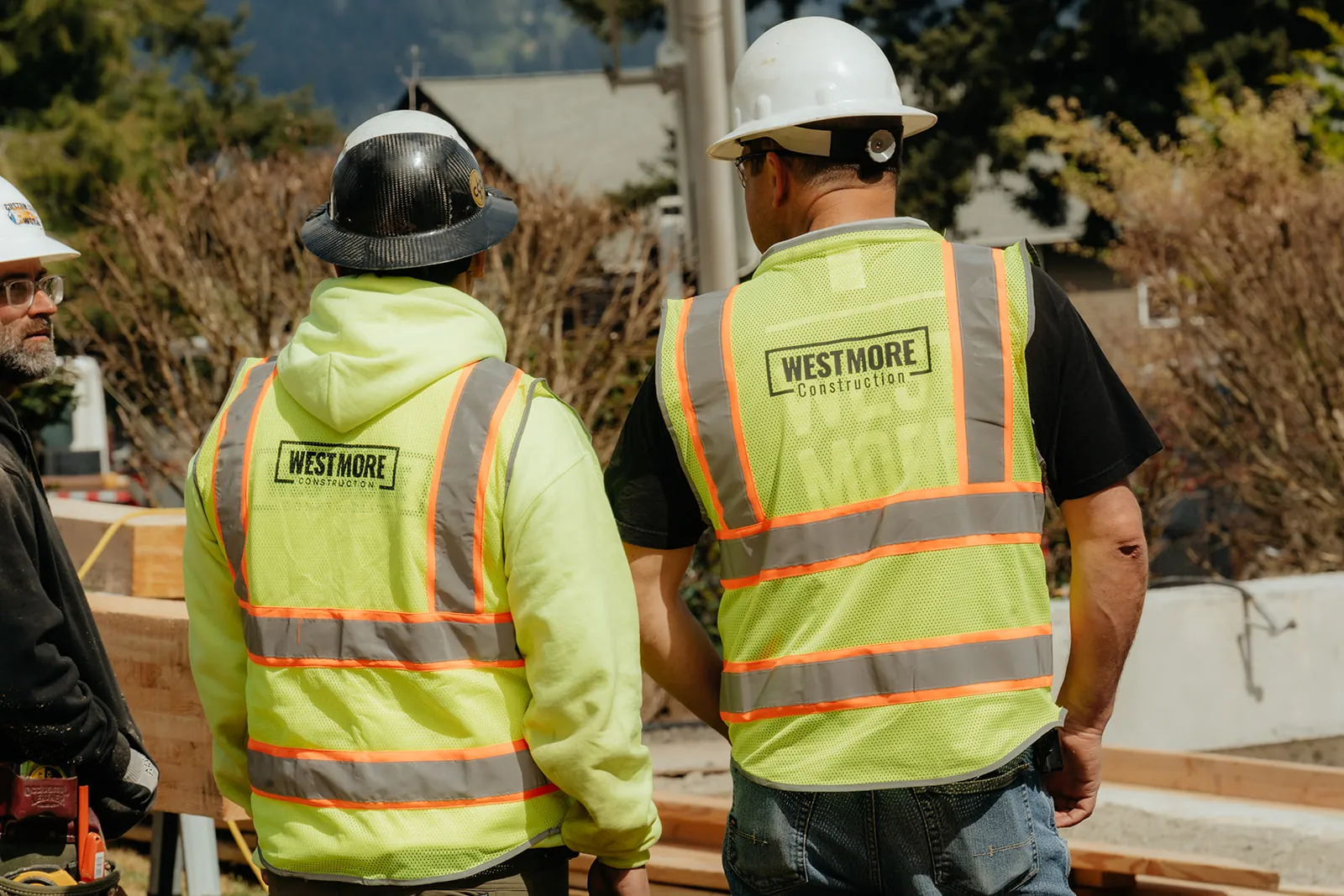
The rigging crew guiding a load into a backyard.
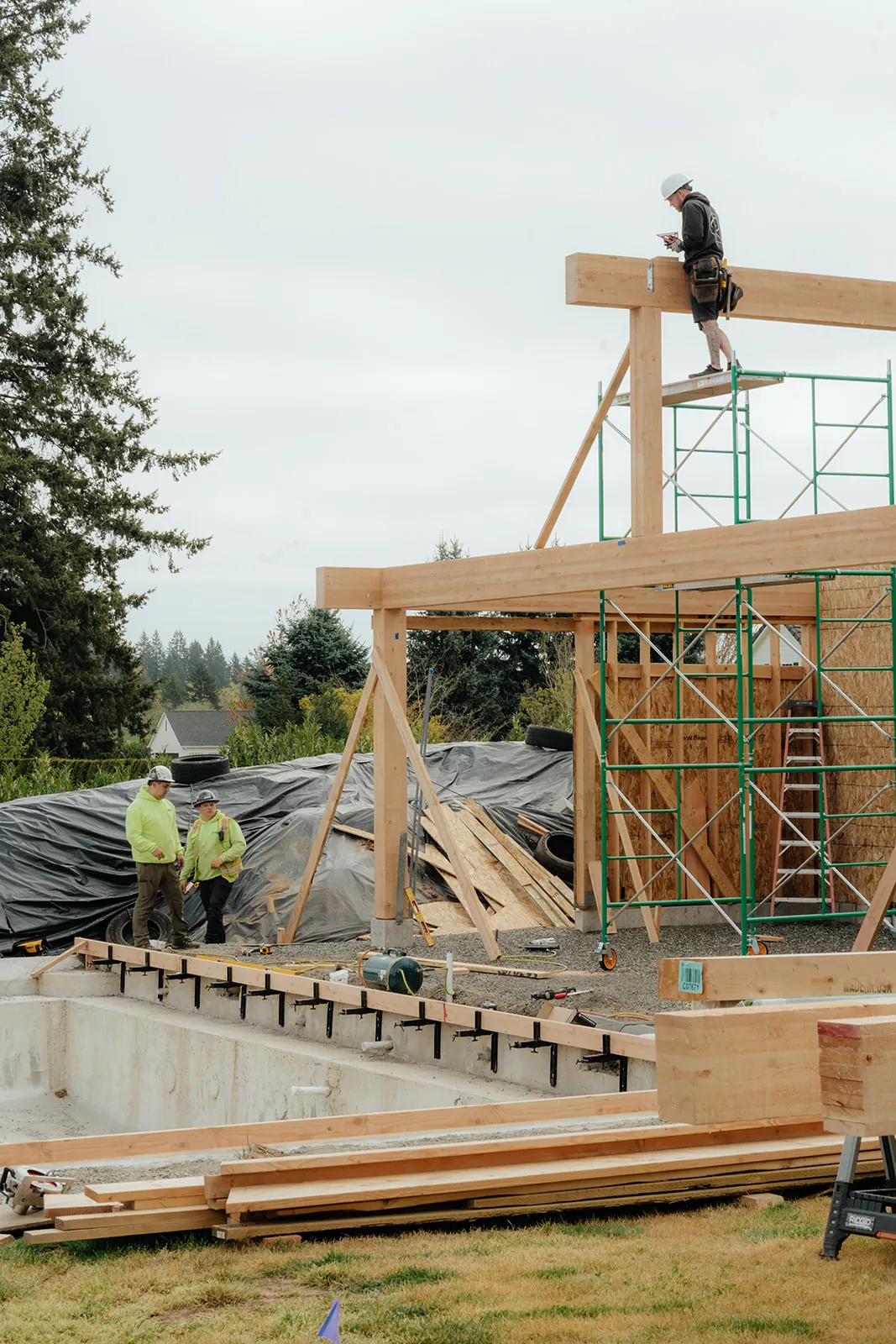
The same residential job, framed and scaffolded.
A pad or a set footing ready to receive the load, and a gate or fence opening wide enough to walk the rigging through, keep the lift on schedule. If a dealer is delivering the tub the same day, Westmore times the pick around that truck's arrival.
Send photos of the yard, the access path, and anything overhead: power lines, tree limbs, a low eave. Westmore reviews those before lift day and flags anything that changes the setup, rather than finding it once the crane is already on site.
A tub going into a backyard behind a two-story house needs the boom to clear the roofline and still control the load on the way down, and that reach pushes a job toward a larger crane class, not the tub's weight by itself.
A single-story garage or a low fence line takes far less boom angle and setup distance, so two jobs that look similar from the street can call for two different machines once the roofline enters the picture.
Call with the spa weight, the fence height, and the address, or send the basics below and we call back within 24 hours.
"We were very happy with our service. We used them to crane a large swim spa into our backyard. They were very professional and friendly. We would highly recommend them!"
Google review
"We have used Westmore many times for crane needs lifting sauna's into place as well as large beams for decks. Great service everytime!"
Google review
"The operator went above and beyond for us! Thank you Troy and Warren! Westmore Crane definitely won our business! At a great rate might I add!"
Google review
Three things set the price: the class of crane the site calls for, the reach from where it can park to the pad, and whether the setup takes street space. A tub reachable from the driveway with a short boom is the least involved version of the job. Weight matters less than the reach, because rated capacity falls off the further the boom extends, and a spa lowered over a house or a fence needs reach more than tonnage.
Yes. The crane parks in the street or the driveway, extends its outriggers there, and swings the tub up over the roofline and down onto the pad on the far side. No fence panel has to come out and no gate has to be widened for it. What the crane does need is a clean boom path, so overhead power lines and tall trees along that route get checked from photos first.
Westmore sets it and does not deliver it. The dealer truck brings the tub to the property, and the crane lifts it straight from that truck to the pad, which is the cleanest version of the job because the tub never touches the ground twice. Send the dealer's delivery window along with the date you want. Moving a tub from one house to another is not part of the service.
Usually not. A crane that parks on the driveway and stays inside the property line generally needs no permit at all. The trigger is public ground: the moment the crane or its outriggers have to sit in the street or block a sidewalk to make the reach, that becomes a street use permit, and Westmore files it in either state as part of booking the lift.
Clear the setup spot and the path the tub will travel. Cars, trailers, and anything stored along the fence line move out of the driveway or street where the crane parks, the pad is poured and cured before the date, and someone who can point out the spot stays reachable that morning. Photos of the gate, the pad, and any overhead lines go in ahead of the lift.
Send the tub or spa's weight, a few photos of the yard, and the date it's arriving, and Westmore sizes the crane before quoting the lift. Call for the fastest answer.
Battle Ground, WA
Fields marked * are required.
We call back within 24 hours. Prefer to talk? (360) 772-1040