
Straight answers to the questions contractors, businesses, and homeowners ask before a crane lift or a construction project.
Nine guides on this page split into two groups: crane and rigging guides for anyone booking a lift, and steel and construction guides for anyone planning a commercial building. Each one answers a single question, crane sizing, permit rules, or what sets a building's cost, in the same terms the crew uses answering the phone.
The crane side is written for HVAC and mechanical contractors scheduling a rooftop unit, homeowners scheduling a hot tub or spa lift, and any commercial general contractor coordinating a rigging day around permits and site access. The steel side is written for anyone comparing steel to wood framing, sizing a building budget, or planning insulation and finishes before a pre-engineered metal building goes up.
Pick the question closest to where the project stands right now.

Crane Services
The three numbers, load weight, lift height, and setup distance, that decide whether a job calls for a 55, 100, or 350 ton crane.

Crane Services
What sets a crane service price: crane class, mobilization, permits, rigging, and site access, explained in plain terms.

Crane Services
What to send before the lift date and how to clear the site so the operator and rigger can set up without delay.

Crane Services
Which permits a crane lift can require in Vancouver and Portland, who applies for them, and why a traffic control plan matters.

Crane Services
What HVAC and mechanical contractors send Westmore before a rooftop unit lift, from unit weight to roof access and curb timing.
Steel Buildings
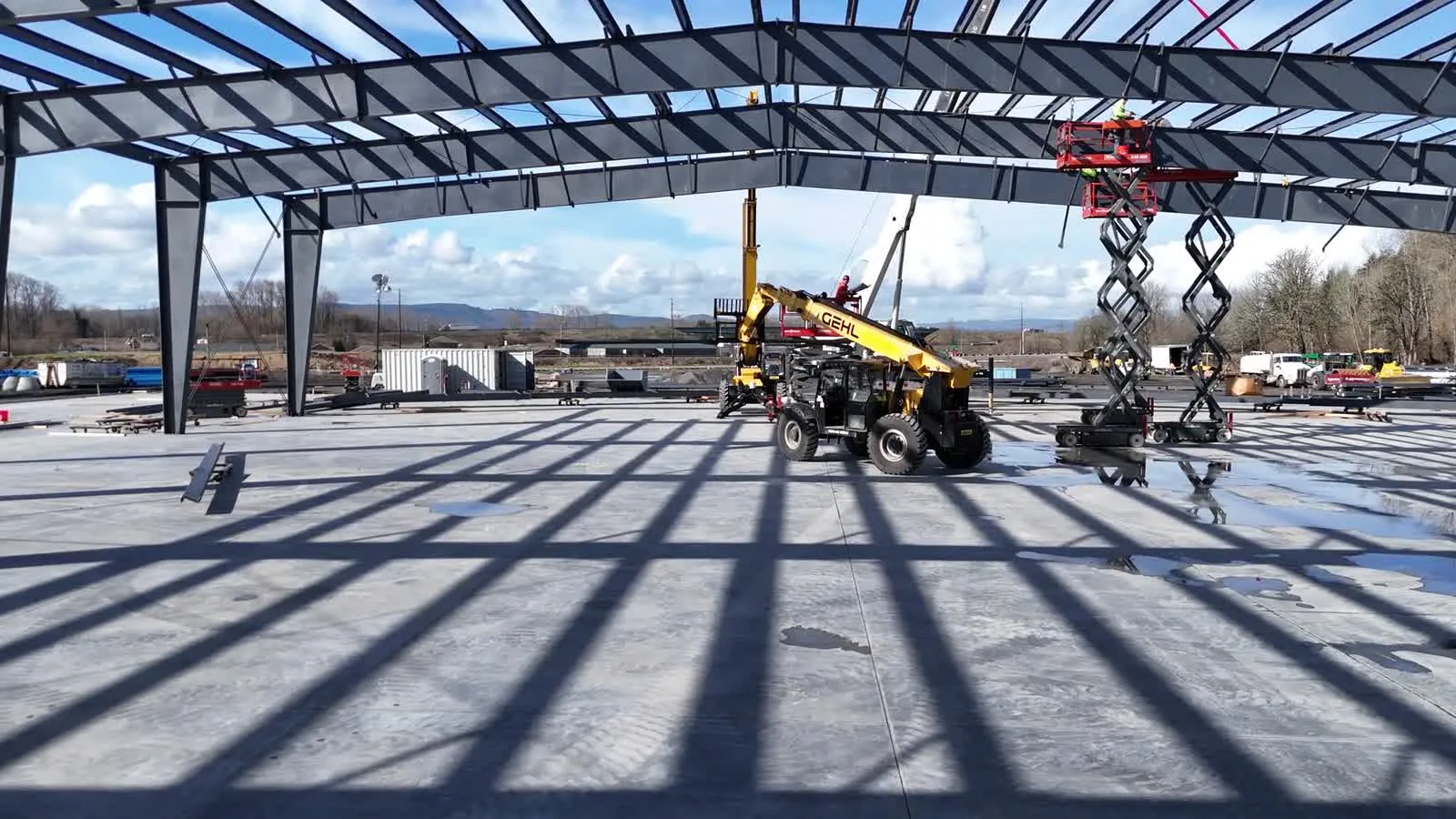
The variables that set a steel building's price: size, eave height, foundation work, and how much finishing the project needs.
Steel Buildings
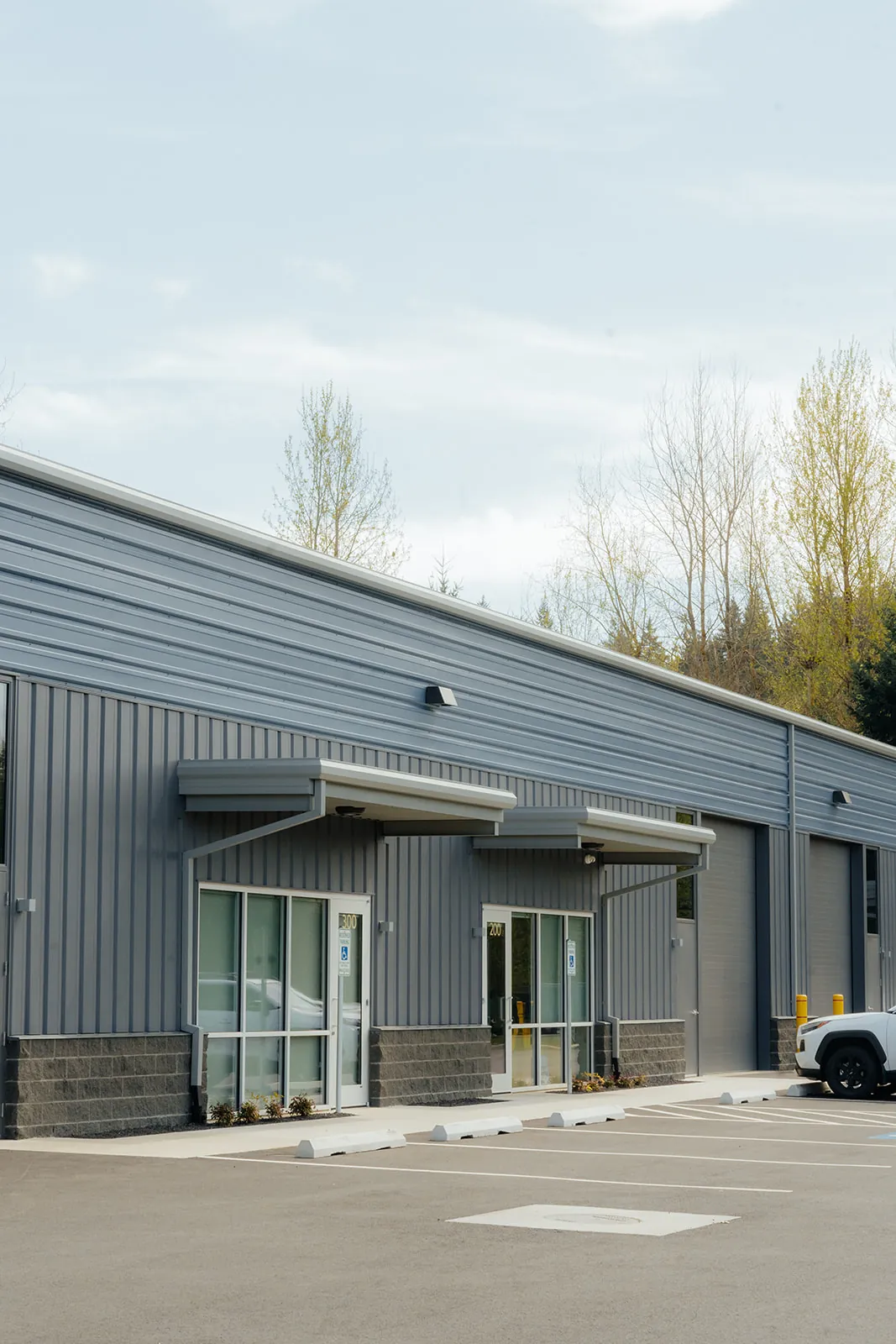
An honest comparison of steel and wood framing for commercial buildings: spans, speed of erection, maintenance, and when wood still wins.

Steel Buildings
What decides a steel building's lifespan: the engineered frame, coatings and panel finish, and how well the erection itself was done.

Steel Buildings
The insulation systems Westmore installs after erection, and how the choice fits a warehouse, shop, or occupied office.
Pick the side that matches the project.

Start with what size crane the job needs, since load weight, lift height, and setup distance decide between the 55, 100, and 350 ton fleet.
From there, how much crane service costs lays out what builds the price, and how to prepare your site covers what to send and clear before the operator arrives. HVAC and mechanical contractors booking a rooftop unit should go straight to planning a rooftop HVAC crane lift, and anyone lifting near a public street in Vancouver or Portland should read the permit guide first.
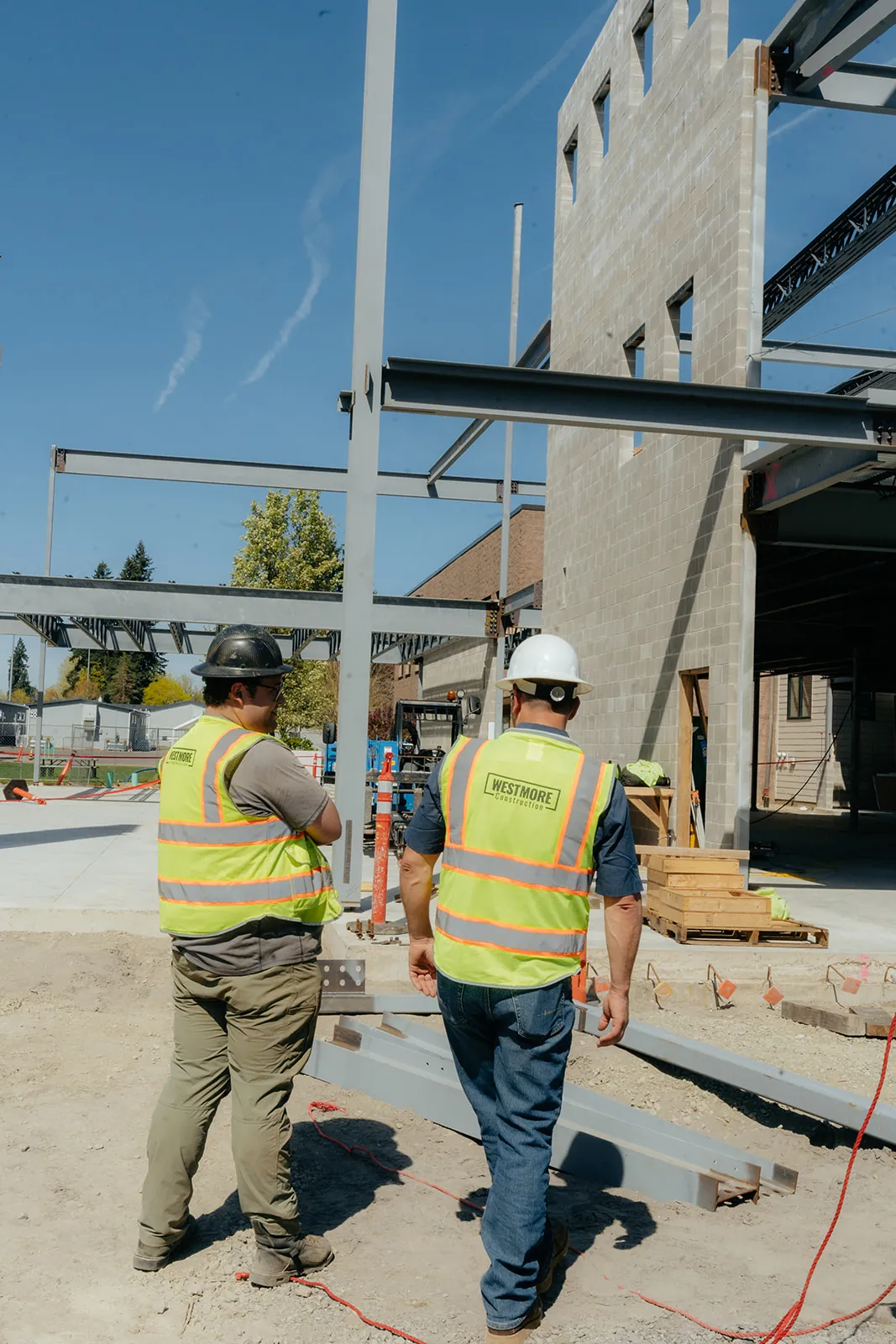
Start with what sets a steel building's price, covering size, eave height, foundation work, and finishing.
From there, steel versus wood framing compares the two for a commercial project, how long a steel building lasts covers what protects it over time, and how steel buildings are insulated explains the systems that go into the shell.
The guides above stay pinned. Everything Westmore publishes, guides included, lists here by date, and the chips narrow it to one topic.
A hot tub is light enough for the smallest class in the fleet when the crane can park near the pad, while a rooftop unit of the same weight often needs a larger machine. Reach is the reason: a boom working high and far out holds much less than the same boom close in, so elevation and radius decide the class more than weight does. The fleet covers three classes, the smallest at 55 tons and the largest at 350.
As soon as any piece of the setup leaves private property for public right of way, outriggers and boom path included. Vancouver covers that with a Public Works street use approval, which wants a full day of notice. Portland does the same thing under a Temporary Street Use Permit, filed with PBOT. Westmore is the applicant of record either way, and the permit guide compares both programs.
The class of machine the pick requires, the travel to reach the site, any permit or traffic control the setup triggers, and how close the crane can park to its load. Every quote already carries the certified operator and the gear for rigging, so neither gets added on top. The pricing guide takes those factors in turn and shows how each one moves a number.
Decades, given a maintained exterior and working roof drainage. A steel building serves out its life on its engineering and its exterior, not on the frame material by itself: the manufacturer sizes the frame to the loads of that site, coatings and panel finish take the weather, and flashing and drainage decide whether water ever reaches the steel at all. Fasteners and sealant at the seams want periodic checks.
Neither wins outright. Steel arrives as engineered pieces that bolt up and carry a wide open floor with no columns in the middle, which suits warehouses, shops, and equipment bays. Wood remains a fine fit on a smaller building whose span never demands that, especially when the trades are already scoped for stick framing. The comparison guide runs span, fire, pests, upkeep, and speed one at a time.
"Working with Westmore was a great experience from the first call pricing the project to when the guys finished up on site. The crane operator Travis and his helper were a pleasure to work with and very knowledgeable. Highly recommend the Westmore team for any craning needs!"
Google review
"The operator went above and beyond for us! Thank you Troy and Warren! Westmore Crane definitely won our business! At a great rate might I add!"
Google review
"Westmore was amazing to work with. We used them for their crane services. Scheduling and pricing was easy and fair. They take service to the next level. Troy is a very skilled operator. Would recommend them to anyone, and will gladly use them again!"
Google review
Call or send the details of the lift or the build and Westmore answers directly, project specifics included.