

Crane lifts for Beaverton rooftop units, structural steel, and backyard hot tubs, with steel buildings erected by the same licensed company.
Crane service in Beaverton lands in three places: commercial and campus property where a rooftop unit, a piece of structural steel, or a piece of equipment has to be set, older residential neighborhoods where a hot tub, a sauna, or a swim spa has to clear the house, and the steel buildings Westmore erects on that commercial ground. The lifts go out operated: an NCCCO certified operator rides with the machine and the rigging is selected for the load, so the customer is booking a finished lift rather than a bare piece of equipment. The fleet runs 55 tons through 350 tons, which is what lets one company take both a fenced backyard and a commercial roof.
What usually decides the date is the street. Any crane occupying a Beaverton street or sidewalk needs a permit under the city right-of-way code, and the City also requires a bond from whoever performs that right-of-way work. Westmore handles the permit side of it, so a lift in front of a house or a storefront gets planned days ahead instead of the morning of. An address in Aloha is unincorporated and answers to Washington County instead, which is confirmed before anything is scheduled. Photos of the access, the load weight, the distance from where a truck can park to where it lands, and the address are enough to start.
Four lifts cover most Beaverton calls, commercial and residential alike, all run out of the same crane services division.

Package units and condensers landed on commercial and campus roofs, parking stalls and swing path settled before a truck is scheduled.

A spa, sauna, or hot tub flown over the roof into a Cedar Hills or Aloha backyard, so nothing has to squeeze through a side gate.
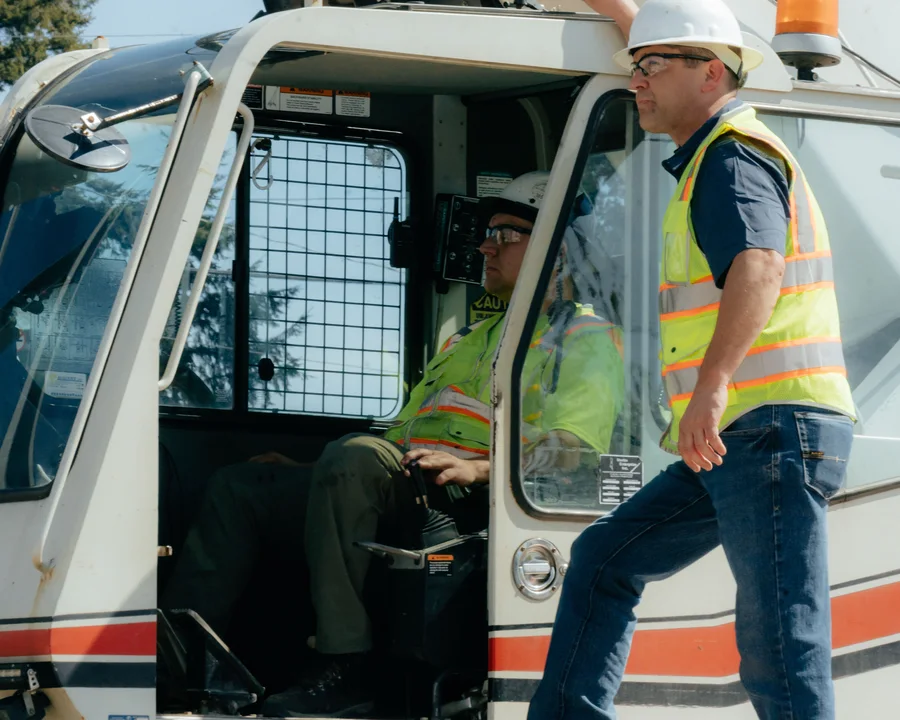
Beams, equipment, transformers, and vaults rigged and landed where the load only gets one chance to sit down right.
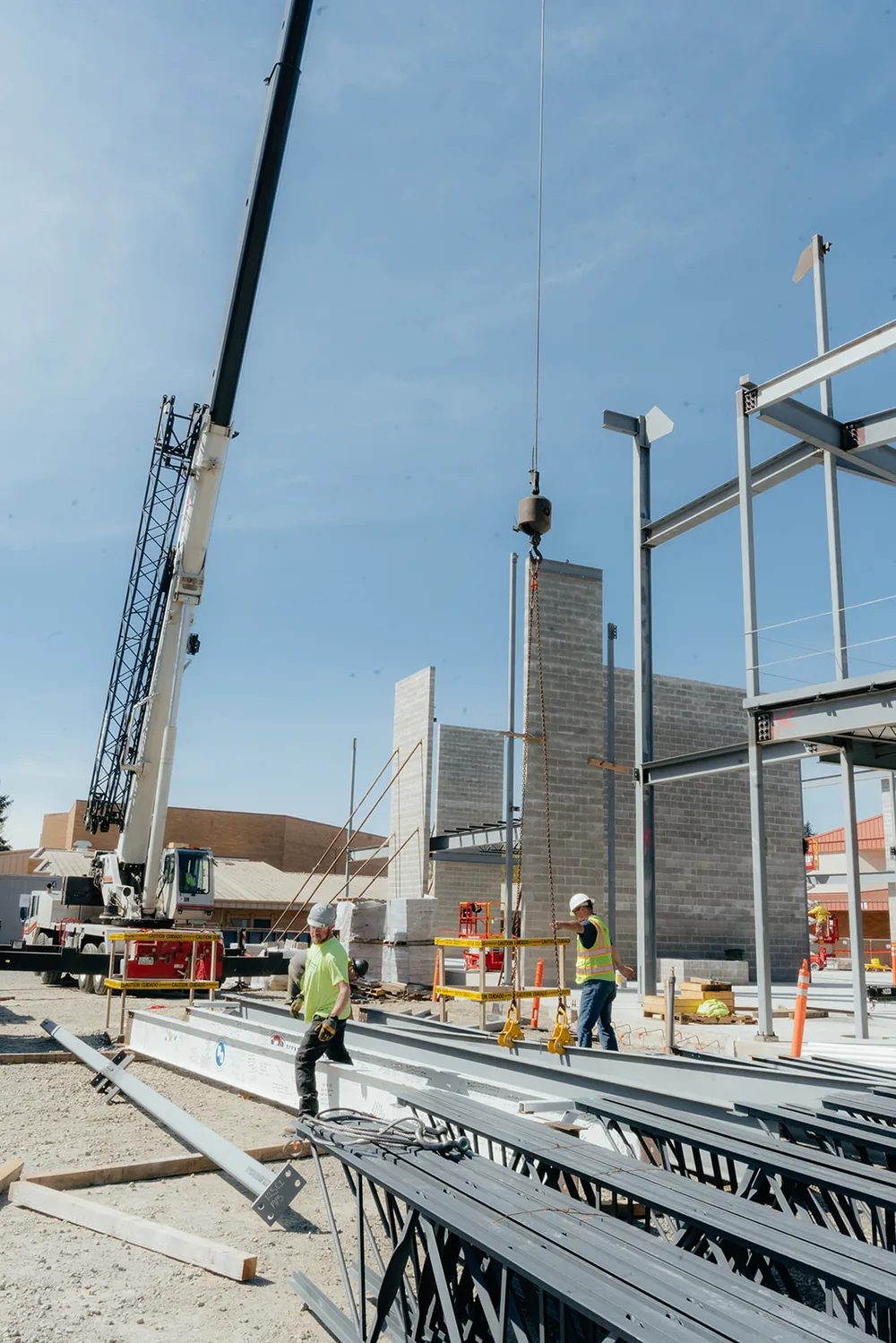
Commercial frames erected and finished by the same company that supplies the crane, so the steel and the lift share one schedule.

A crane parked in a Beaverton street or on a sidewalk is not a same-morning decision. City code requires a permit before a crane sits in public right-of-way, and the City wants a bond posted by whoever performs that work. Westmore handles the permit filing, so on a street-set lift the first question is the address, not the price.
Just west of the city limits the rules change hands. Aloha is unincorporated, so a lift there is a Washington County matter instead of a Beaverton one, and knowing which desk applies keeps a job from losing a week at the wrong counter. If the mailing address and the actual jurisdiction disagree, mention it on the first call.
What always gets checked is the last stretch onto the property. Gate width, low canopies, overhead lines, and the surface the outriggers have to bear on decide the setup as much as the load does. A photo shot from the gate toward the landing point answers most of that, and a second one of the ground under the intended setup answers the rest.

On commercial property the work tends to arrive in pairs. A rooftop unit goes in one season and a structural steel job on the same site comes up the next, and when the crane and the commercial general contracting sit inside one licensed company, the second call does not start over with a new bidder walking the site.
That is the practical reason to ask a crane company whether it also builds. Westmore erects and finishes commercial steel in Beaverton under its Oregon license, so a property manager can get a lift quoted and a shell or an addition scoped in the same conversation, with one schedule holding both.
A rooftop unit on a commercial building and a hot tub on an older residential lot rarely need the same machine, so three tonnage classes stay ready for whichever one calls.
The right size for HVAC units, hot tubs and spas, beams, and tight residential or commercial sites where a bigger crane cannot set up.

The workhorse for steel erection, precast and tilt panels, transformers, vaults, and rooftop equipment on commercial jobs.

Heavy and long-reach picks: generators, large mechanical equipment, and lifts that have to clear a building from the street.
One call covers crane size, the permit, and the schedule. Or send the basics below and we call back within 24 hours.
"We were very happy with our service. We used them to crane a large swim spa into our backyard. They were very professional and friendly. We would highly recommend them!"
Google review
"In our HVAC company, we use Westmore whenever we need a crane on a job. They are the first ones we call and they are always happy to fit us in the schedule. They show up on time, with a good attitude, and safe work practices every time. Great company to work with!"
Google review
"Great crane services!"
Google review
Only if the crane occupies public right-of-way. Beaverton Municipal Code 5.05.115 bars any structure from sitting in the right-of-way without a permit, and a crane parked in a street or on a sidewalk is one. The City also requires the contractor doing that work to carry a right-of-way bond. Westmore handles the permit side before a lift date is set.
Yes, and the permit desk changes with the address. Aloha and Cedar Hills are unincorporated Washington County, so right-of-way work there answers to the County rather than to the City of Beaverton. Crossing that line changes which application gets filed and who reviews it, which is why the street address gets settled before a lift is scheduled.
Enough for the truck to stop legally and for the outriggers to spread on firm ground, which usually means the street or a driveway rather than the yard itself. Cedar Hills and the older Beaverton neighborhoods run to smaller, more enclosed lots, which pushes the setup farther from the pad and calls for more boom. A photo down the intended flight path answers it fastest.
Four things: how heavy the piece is, how far the boom has to reach at that height, what the crane can set outriggers on, and which class the job pulls from the fleet. Street space adds the permit to that list. A spa dropped into a small older backyard and a rooftop unit on a corporate campus rarely answer those the same way.
Yes. Condensers, package units, and steel members on commercial property around Beaverton are picked from a 55, 100, or 350 ton machine. Capacity drops off as the load moves out and up, so a long reach over a building can call for a larger machine than the tonnage alone suggests. Unit weight, roof height, and the spot the crane can occupy decide the class.
Both can sit in one contract. Westmore signs as the commercial general contractor, carries the site work and the concrete with trusted subcontractors, then puts up the steel and the exterior finishing with its own crews. That keeps the anchor bolt layout, the frame, and the shell under one party instead of splitting responsibility when concrete and steel do not line up.
A Cedar Hills or Aloha address draws the identical NCCCO crew and gear an in-city job does, with the county permit desk confirmed first.
Tell us what the piece weighs, the reach the boom needs, and the Beaverton address, campus or residential, and a crane gets sized before any price is quoted.
Battle Ground, WA
Fields marked * are required.
We call back within 24 hours. Prefer to talk? (360) 772-1040