

Crane lifts for Gresham warehouses, roofs, and backyards, plus steel erection and commercial construction from one licensed crew.
Crane service in Gresham splits cleanly in two, and Westmore takes both halves plus the steel buildings and commercial construction behind them. On the industrial side, the warehouse and manufacturing buildings at Gresham Vista Business Park need structural steel set, tanks and equipment placed, and rooftop units changed out, all from open yards where a large machine can put its feet down and swing. On the residential and small-commercial side, the tighter older lots around Rockwood and the newer streets out toward Pleasant Valley call for spa and sauna sets and short commercial picks. The fleet covers 55 through 350 tons, and each job goes out with a certified operator plus the rigging that pick needs, quoted as one line.
Before a Gresham lift gets a date, two things get settled. Anything that puts a crane or a truck into the public right of way calls for a Gresham permit through Permit Services, and the contractor performing that work has to carry a bond, which Westmore holds and files rather than leaving on a customer to arrange. Then there is the ground itself. An industrial pad usually offers dock aprons and open yard for outriggers, a Rockwood site can put the crane in the lane instead, and a Pleasant Valley backyard is often reachable in one pick from the driveway. Send the weight, how high the load has to travel, and a picture taken from wherever a truck would park.
The lift changes with the address: an open industrial pad, an older commercial lot, or a residential street.
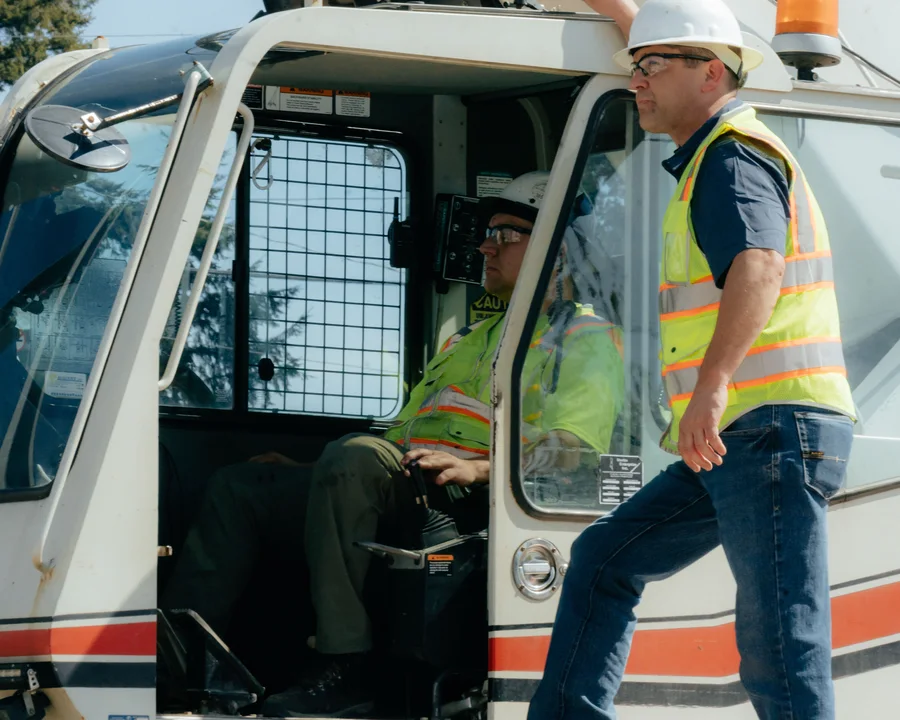
Structural steel and equipment rigging planned around dock aprons and bay doors rather than a single street-front entrance.

Flat, open warehouse roofs let the crane set up clear of the docks and land a rooftop unit without threading a boom between neighboring buildings.
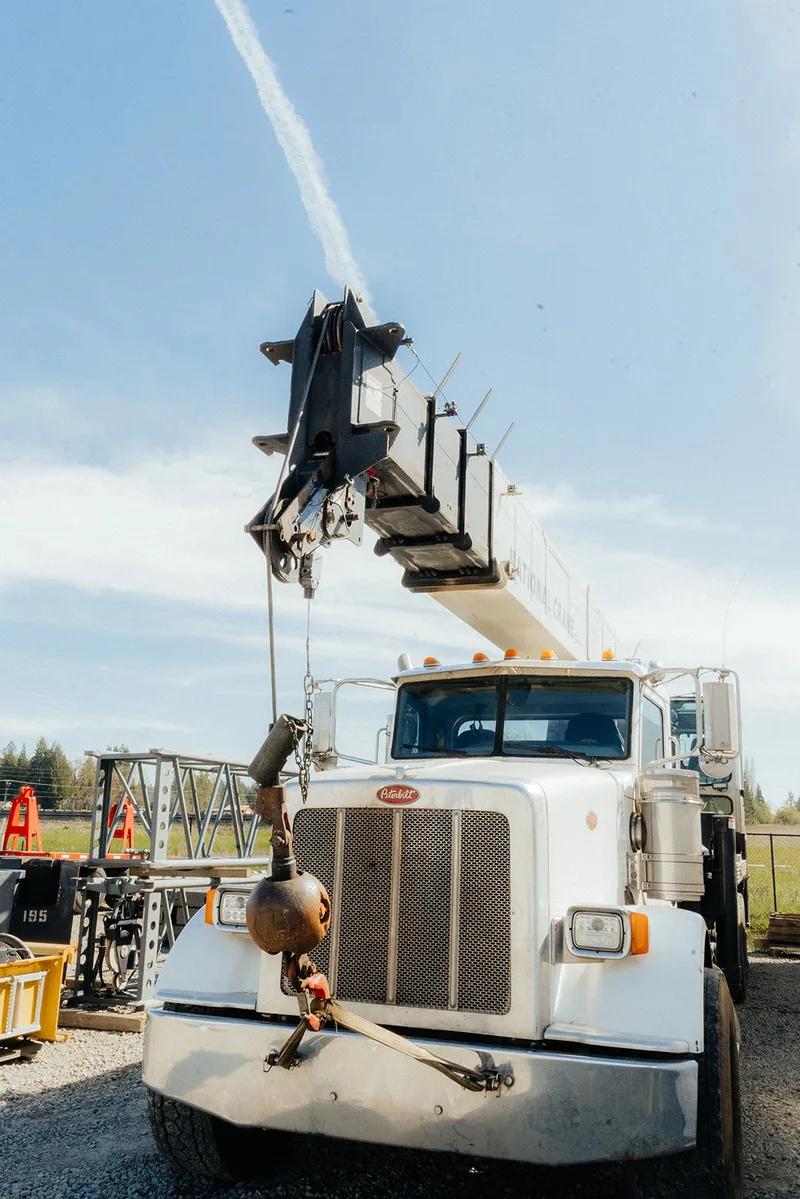
Newer streets around Pleasant Valley usually give a spa a clear path over the roofline straight from the driveway.
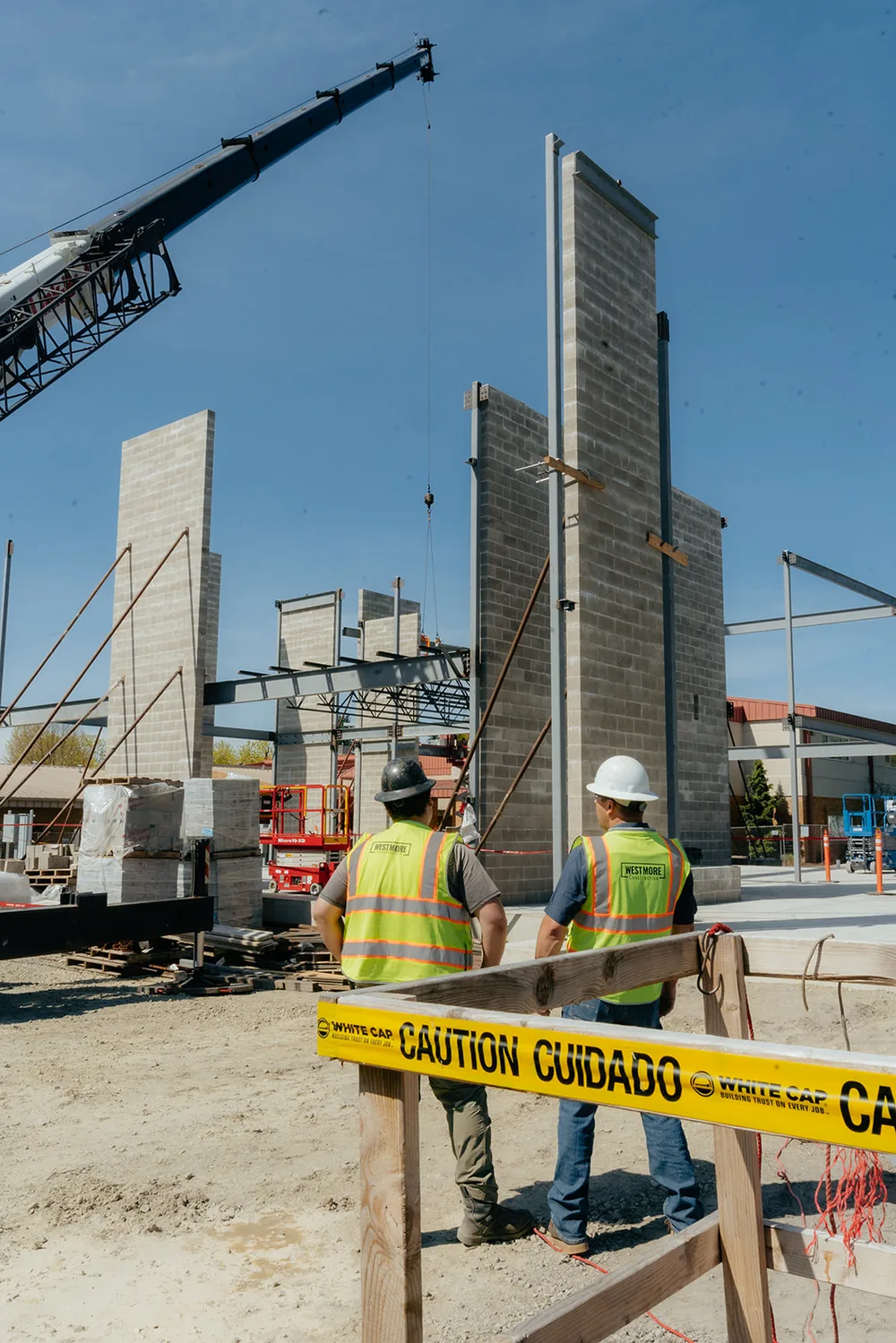
Steel erection and commercial general contracting from the crew that already runs the crane on that site; see construction services for the contracting side.

A Gresham steel building is normally a warehouse shell, a manufacturing bay, or an addition squeezed onto a lot already in use. Westmore erects that structure and closes it in, and because the cranes on the site are its own, the frame goes up against the delivery schedule rather than somebody else's calendar.
Gresham holds a modern industrial park and blocks of older houses inside the same city limits, so no two calls in a week look alike. Westmore covers both, which is why a steel pick on an industrial pad and a spa dropped into a back yard can be sized by the same person on one phone call. Say which one you have and the class gets chosen before anyone comes out to look.
That matters most when a customer needs both at once. A tenant improvement wanting a rooftop unit and a small steel addition does not need two companies and two calendars; the crane and the erectors come off the same payroll, so the lift is booked inside the build. Ask for the combined scope up front, before the steel package is ordered.

The larger classes earn their keep at Gresham Vista, where warehouse and manufacturing buildings sit on pads with room to set up clear of the docks and swing a long boom without touching a public street. Rockwood is the other case entirely: narrower commercial lots, closer neighbors, and often a street-legal setup with the crane in the lane and a permit under it.
Residential ground out toward Pleasant Valley is newer, so driveways are wider and most yards can be reached in one pick over the house. What still varies is the fence line, the trees, and the service lines. A picture from the curb and a second from the pad where the load lands will answer that faster than any description over the phone.
Gresham Vista's warehouse scale is where the bigger classes earn their keep. A tighter Rockwood lot usually takes the street-legal setup instead; send a photo from the curb and the class gets picked on the call.
The right size for HVAC units, hot tubs and spas, beams, and tight residential or commercial sites where a bigger crane cannot set up.

The workhorse for steel erection, precast and tilt panels, transformers, vaults, and rooftop equipment on commercial jobs.

Heavy and long-reach picks: generators, large mechanical equipment, and lifts that have to clear a building from the street.
Call with what you know so far, or send the basics below and we call back within 24 hours.
"Westmore Construction is an absolute pleasure to work with. They have provided crane services for us on multiple projects. Their can-do attitude is refreshing, and they are unbelievably efficient. 10/10, would hoist again."
Google review
"Fast and easy to schedule for crane services"
Google review
"We hired Westmore Construction to build a slant-roof metal building on our property. From the beginning, Warren and his team followed-thru on everything they promised, were always professional and friendly and always reachable on the telephone. Each day, his crew would clean up the job site before heading home and were always respectful of our property. We would highly recommend hiring them."
Google review
Only if the crane, its outriggers, or the delivery truck occupy the public right of way. Gresham issues a Right-of-Way Permit through Permit Services for that, and a permit bond is required on right-of-way work as well. Work that stays on ground the customer owns needs neither. Westmore handles that filing on the lifts it runs.
Access first, then the load. A steel pick inside a big industrial park and a spa set over a back fence differ on weight, on reach, on what the crane can park on, and on which class fits. Time on site adds to it, and a setup that lands in a street adds the right-of-way permit plus the bond the city asks for on that work. Every machine goes out with rigging gear and a certified operator.
Weight and radius decide it, from the 55 ton machine up to the 350 ton. A tank or a precast vault is dense and often has to travel over a curb line, a fence, or an open excavation, and a machine gives up rated capacity the more boom it has to put out. What the ground under the outriggers can carry is the third input, since a machine cannot spread on soft fill.
Yes, and warehouse roofs are routine work for the fleet. Distribution and manufacturing buildings around Gresham Vista carry package units far heavier than a storefront roof ever sees, and unit weight together with roof height and the setback from a legal parking spot sets the class. The machine shows up with its certified operator and the rigging already inside the quote.
Yes. The crane sets up curbside, the boom clears the house, and the tub lands on its pad. Newer subdivisions out toward Pleasant Valley usually give a crane room to set up close to the property, while older, tighter lots push the setup back and lengthen the reach, which can move the job to a larger class. Fence height, roof line, and tree cover are what settle it.
The Westmore construction and steel division does, under Oregon CCB 234945. That covers pre-engineered metal buildings, structural steel erection, and the exterior finish work that closes the shell in, either as the commercial general contractor for the whole job or as the erector working under somebody else. The cranes are owned by that same company, so the frame and the picks that raise it sit on one contract.
Rockwood and Pleasant Valley get the same crew and fleet the industrial park jobs get.
Send the pick weight, the travel height, and the address, Gresham Vista or a residential street, and the class gets settled before a price.
Battle Ground, WA
Fields marked * are required.
We call back within 24 hours. Prefer to talk? (360) 772-1040