
Crane lifts over occupied Seaside lodging and steel buildings specified for a beachfront lot, operator and rigging included.
Seaside work divides between crane lifts on the lodging and commercial blocks near the Promenade and the convention center, and steel building construction built to coastal numbers. The lifting is largely rooftop mechanical changeouts above occupied guest rooms, along with structural picks, generator and equipment sets, and spas dropped into tight yards. Operators hold NCCCO certification, and rigging is chosen for each load before a truck rolls; both come with the crane. Three tonnage classes are available, and a longer boom working at a wider radius is often what a beachfront block genuinely needs.
Permits here turn on which surface the crane occupies: a city street puts the job under a Seaside right of way permit, while a setup standing in US 101, the through route that doubles as a main street, needs prior permission from ODOT instead. Season is the second item. Public parking here is free and easy in the quiet months and gone by midsummer, so the footprint a machine needs is exactly what the town runs out of. Send the unit weight, where it lands on the roof, and the address.
Four kinds of pick carry the work: rooftop units over occupied rooms, structural steel, generator and tank sets, and spas behind beach houses.

Columns and beams landed for commercial shells on this coast, with erection and lifting run by one outfit.

Packaged units changed out on multi story lodging, flown up from the street above rooms that are still in use.
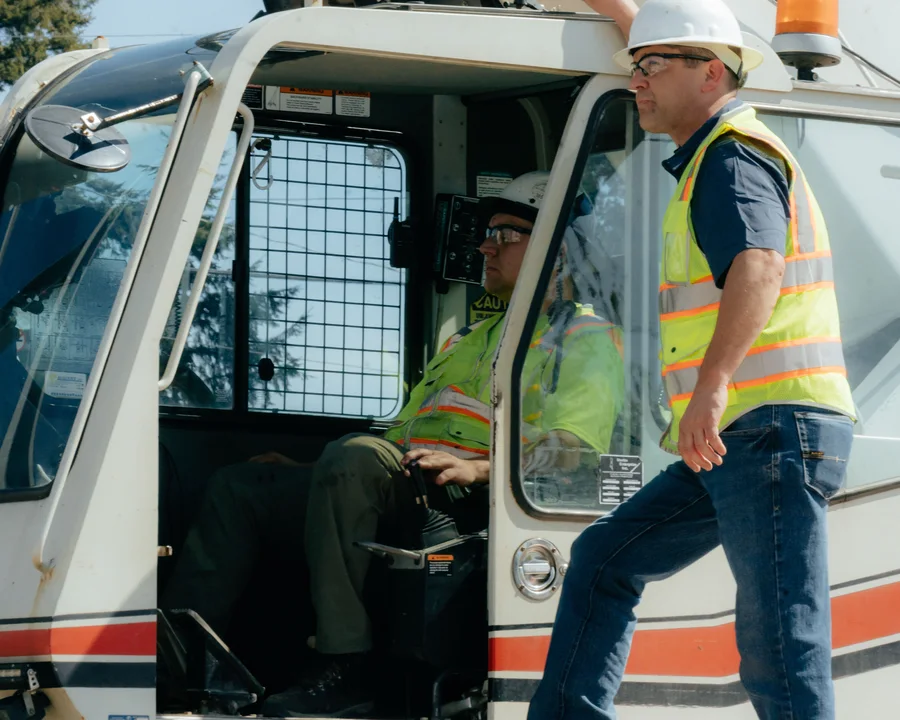
Generators, tanks, and kitchen equipment rigged and set on lodging property where the truck has one place to stand, the street outside.
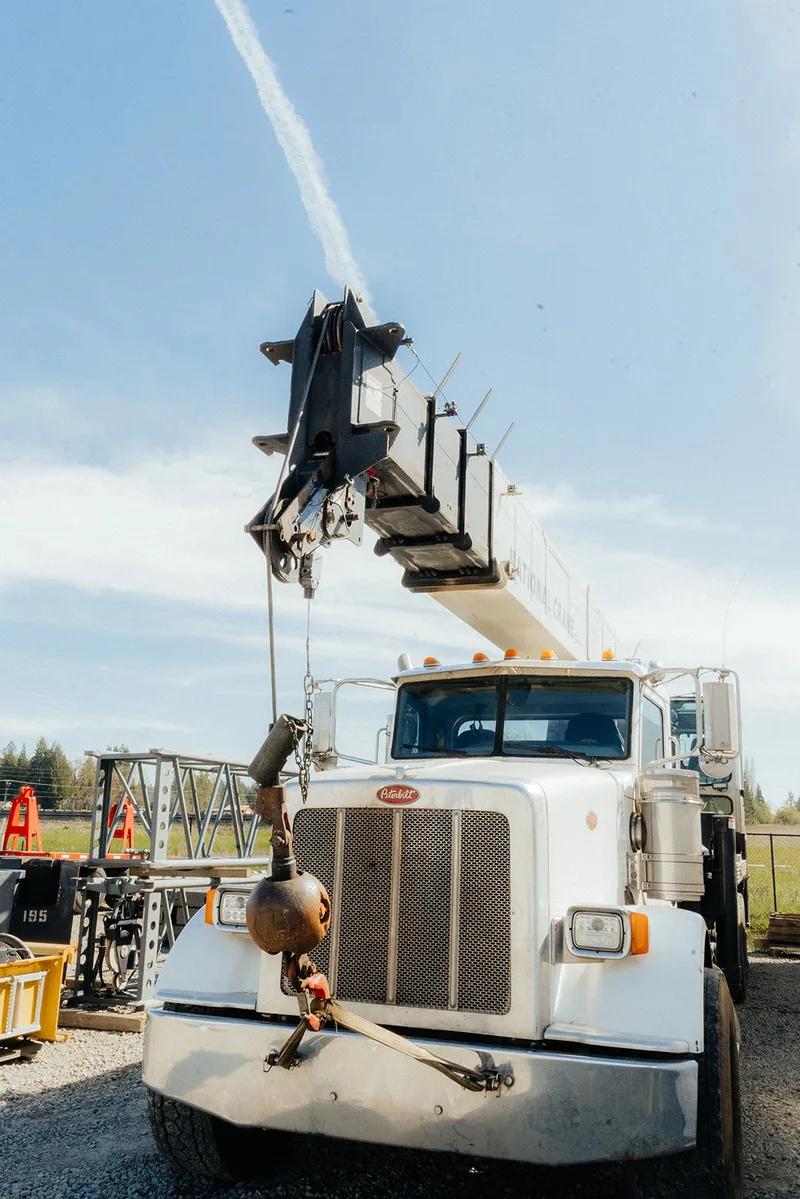
A spa or a sauna swung over a fence into a beach house yard, then landed square on its pad.

Lodging here stacks tight against the beach and the downtown grid, so a rooftop changeout is worked off the street or a small lot, above rooms with people in them. That pushes the job toward a longer boom picking at a wider radius, and toward a plan that accounts for what sits beneath the load as carefully as what waits on the roof.
Parking is the scheduling problem. The public lots by the Welcome Center, Oceanway, and the Promenade are free, and in high summer they are also full. Booking a shoulder season date or a first light window is what keeps the setup footprint available. Name the target week when the job is first discussed.
Which approval applies comes down to the surface. City pavement puts the approval with Seaside Public Works, while standing in US 101 means going to ODOT, since activities along a state highway other than normal transportation use need the state to sign off first. Westmore prepares that paperwork alongside the lift plan.
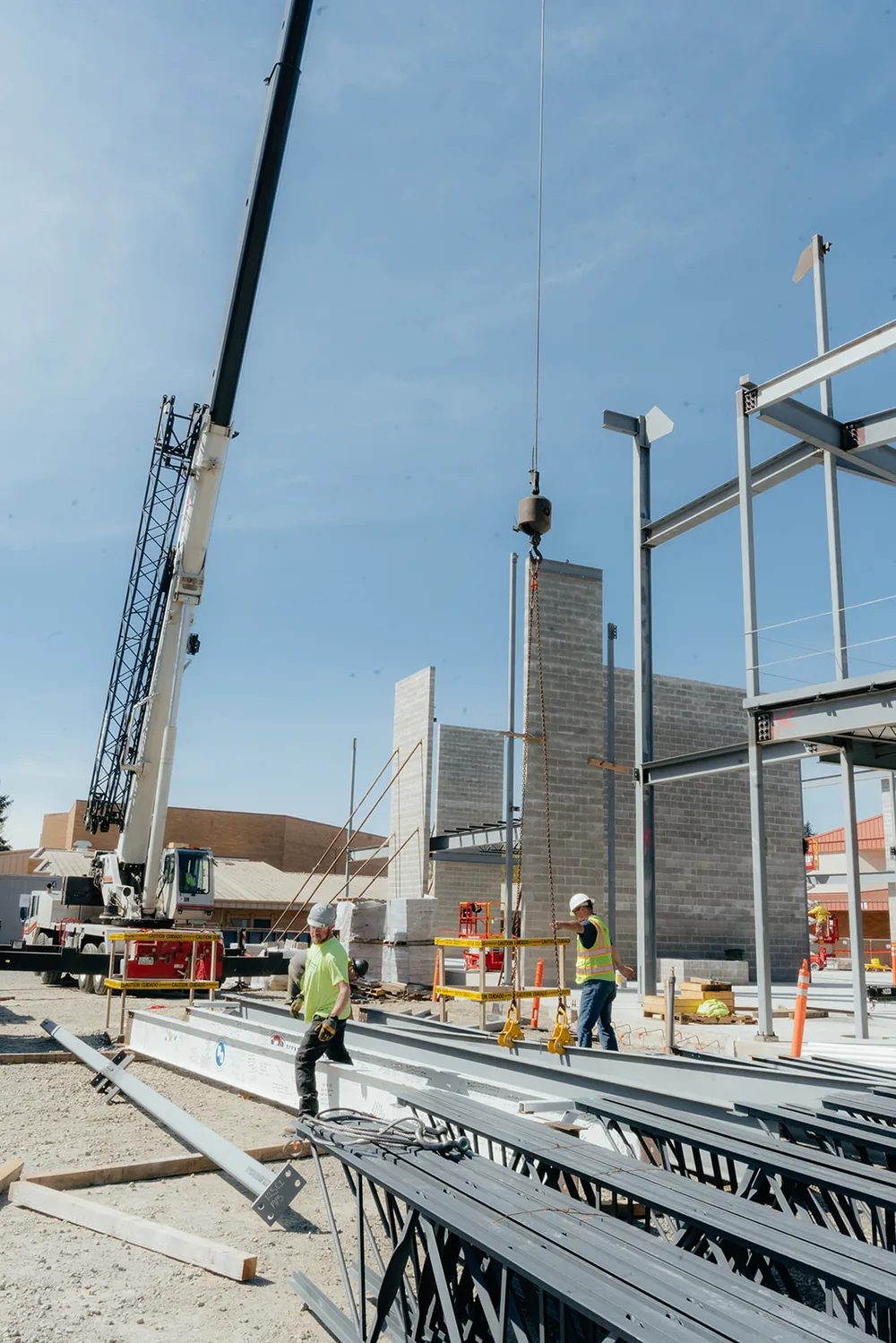
Downtown Seaside sits inside mapped tsunami evacuation zones, and Oregon law now leaves the siting call for schools, fire stations, and other essential facilities with the local jurisdiction rather than barring it outright. Public work on this stretch of coast is a live project type again, and the first conversation with an owner is about occupancy type and what the steel building is being asked to survive.
Putting a frame up between lodging blocks is the other half of the work here. Rooms next door stay let while the steel goes together, so the erection sequence is planned around exclusion zones under the load path, deliveries that keep a guest entrance clear, and the hours a crew can make noise on a beachfront block. That is the argument for one outfit running both the steel crew and the machine.
Exposure closes the specification in one line: a Clatsop County beachfront lot comes about as close to full wind exposure as Oregon offers, and nearly every commercial parcel in town sits inside the top marine corrosivity band, which makes the anchorage heavier and the finish a three coat marine system from the start. Westmore signs the work as commercial general contracting and supplies the crane that raises the steel.
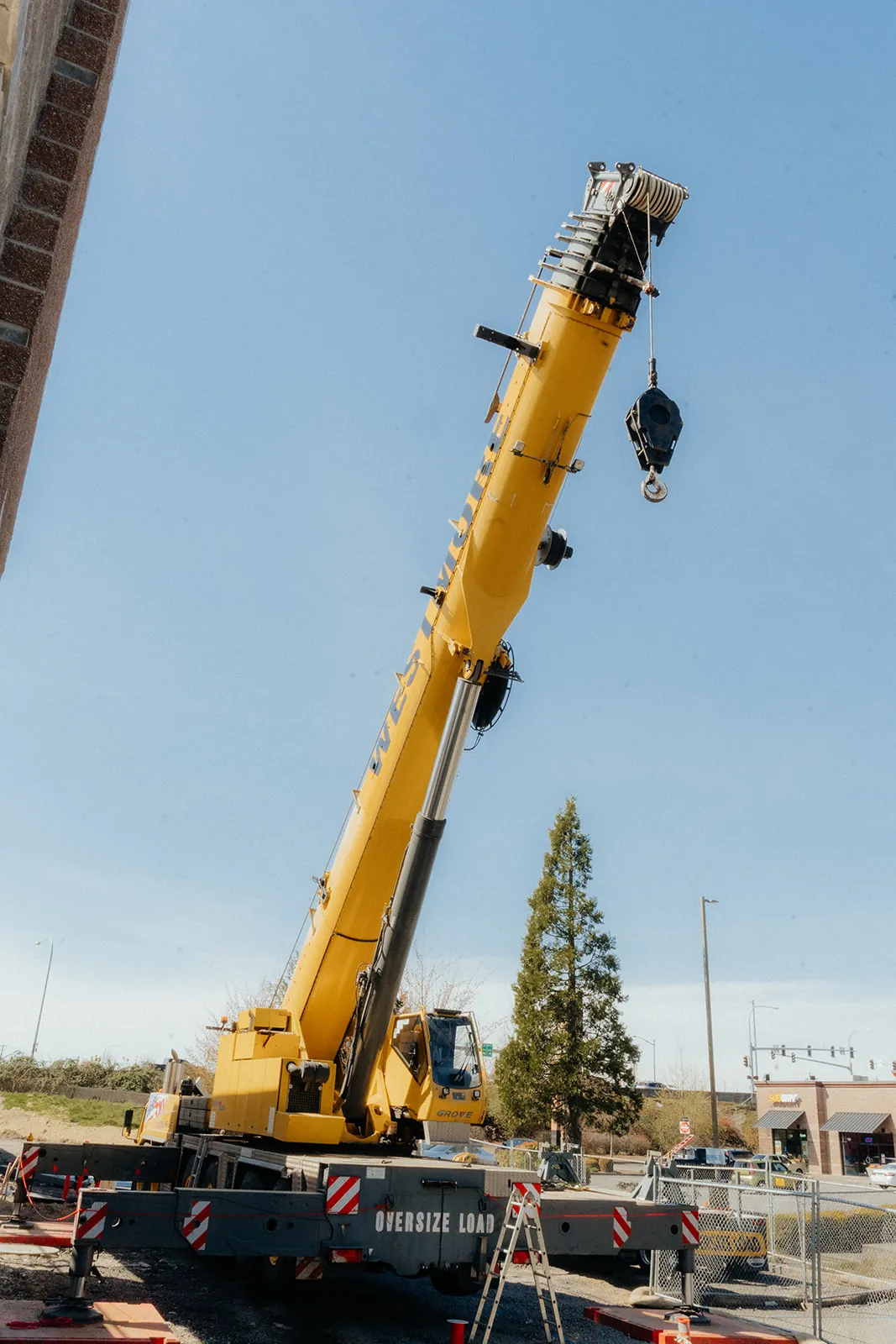
A Grove crane working tight against a commercial building.

A rigger on the deck before the pick begins.

A finished metal building, sheeting and exterior work complete.
One call covers crane size, the permit, and the schedule. Or send the basics below and we call back within 24 hours.
"Great people to work with. We have worked with both sides, the construction team and the crane services and have been absolutely amazed with the professionalism and their communication skills. We get to hire their crane fairly often for picking larger concrete vaults and they are always quick to respond with timing and pricing for each project. We wouldn't want to use anyone else!"
Google review
"Fast to work with me when I had a short notice crane pick request for downtown Portland. Yikes. No problem for these guys. They nailed the permit, traffic, and planning submittals in no time... They were safe, they worked fast... From the big boy 350 Ton to little boy crane needs - they are our team now."
Google review
"Professional, responsive, and easy to work with. Highly recommend Westmore crane services."
Google review
Yes, Seaside plus Gearhart and Cannon Beach, which are separate cities on the same beach corridor. CCB 234945 is the Oregon registration behind the crane side and the construction side. What sets it is the machine the load requires and street access, tightest through the blocks around the convention center once the season is running. Give us the weight and the block it lands on.
Yes, and which one depends on the pavement underneath it. City streets are handled by Seaside Public Works, which issues the permit for occupying the right of way. Where the setup occupies US 101, the state highway doubling as a main street here, permission comes from ODOT, since activities along a state highway beyond normal transportation use need approval first. Westmore files whichever applies.
From the street or a nearby lot, with outriggers set on ground proven to take the load, flying the old unit down and its replacement up to the curb. Because guest rooms below stay occupied, the plan covers the swing path, the exclusion area beneath it, and the hours the work happens in. Nothing gets flown across an occupied balcony or an open walkway while it is in use.
A larger one than the identical job inland, because a beachfront block seldom lets the truck get close. Lots are small, streets are narrow, and the building often stands in the way of the truck, so capacity at radius decides the class rather than raw weight. Westmore owns three classes of machine, the biggest rated at 350 tons, and chooses off the numbers a site gives.
Yes, provided the finish is specified for it at the start. Commercial parcels here sit in the highest marine corrosivity band, so the coating stack is zinc rich primer, epoxy, then polyurethane rather than a standard shop primer. Frame and anchorage are sized for coastal wind at the same time. Westmore erects the building with cranes it owns, and the frame and the lift that raises it sit with one company.
Yes on both counts. The Oregon license number is CCB 234945, and insurance at the million dollar level is in force in Oregon as well as Washington. Operators carry NCCCO certification. That pairing matters on the coast, where one company can sign for the building permit package and stand behind the pick that raises the steel.
Cannon Beach and Gearhart are their own cities with their own codes, and both book the cranes, operators, and rigging that Seaside addresses do.
Say which block the building sits on and whether guest rooms below stay occupied, then add what the unit weighs and where it lands. A phone call handles it in one go.
Battle Ground, WA
Fields marked * are required.
We call back within 24 hours. Prefer to talk? (360) 772-1040